

Asado, Buenos Aires
Beef over wood coals, cooked slowly, salted and left alone. A parrilla is the restaurant version. Order less than you think — the portions are serious.
Practical
Three climates in eleven days, two internal flights, and one country that does most things — meals, evenings, paperwork — on its own schedule. Here is what actually matters.
Guanaco on the steppe · ThartmannWiki, CC BY-SA 4.0
Climate
October is mid-spring in the southern hemisphere. It is also the month this trip crosses roughly twenty degrees of latitude, so the three legs feel nothing like each other.
Mild and pleasant — typically high teens to low twenties Celsius (60s to low 70s Fahrenheit), with occasional rain. The jacarandas begin to flower across the city in late October. A light jacket for evenings is enough.
Cool, dry and above all windy. Daytime highs often in the mid-teens Celsius (50s to low 60s Fahrenheit) but the wind decides how it feels, and it can blow hard for days. Layers, and a jacket that stops wind and rain, are not optional here.
Subtropical and humid — high twenties Celsius (low to mid 80s Fahrenheit) with a real chance of a warm downpour. You will also be soaked by spray on the Lower Circuit regardless of the forecast.
Packing
The trip's own guidance, condensed. The short version: layers for Patagonia, light clothes for Iguazú, and comfortable shoes for every single day.

Logistics
Two internal legs — Buenos Aires to Trelew, and Trelew up to Puerto Iguazú — are quoted separately from the land arrangements. October 2027 schedules are not published until around November 2026, so these are added once airlines release them.
Booked independently. Worth waiting for the domestic schedules before buying, so the arrival and departure times line up cleanly with the transfers at each end.
Mandatory for this trip. Any provider is acceptable; look for medical cover, evacuation, trip cancellation and interruption, baggage and delay. Policy details should go to the operator's guest relations team once purchased.
Not included, and paid locally: Iguazú National Park, the Punta Loma reserve, and any fees at Estancia El Pedral. The operator can arrange some of these in advance if you'd rather have them settled.
EZE (Ministro Pistarini, "Ezeiza") handles international flights and is about an hour out of town. AEP (Jorge Newbery, "Aeroparque") handles domestic flights and sits on the river a few minutes from Palermo. The itinerary uses both.
Domestic allowances in Argentina are tighter than international ones, and they are enforced. Worth checking before you pack for eleven days across three climates.
Daily life
Restaurants fill from 9pm and stay busy past midnight. Turning up at 7 means an empty room. Adjust lunch accordingly, and book anything popular in Palermo a few days ahead.
Argentina's currency situation changes faster than any guidebook can track. Carry some cash, expect card acceptance to be good in cities and patchier in small towns, and check the current picture close to departure rather than trusting anything written now.
Not included anywhere on this trip. Around 10 per cent in restaurants is normal; guides and drivers are tipped at your discretion, and on a private trip like this it is customary.
220V at 50Hz, with type C and type I sockets — the flat angled three-pin kind used in Australia. North American devices need an adapter, and anything not dual-voltage needs a converter.
Spanish, spoken with a distinctive Buenos Aires accent — ll and y come out as "sh". All guides on this trip work in English. A few words of Spanish still go a long way outside the cities.
Good in all three towns and at all three hotels. Effectively absent out at Punta Ninfas and patchy inside the national park, which is arguably the point of both.
Food
Beef over wood coals, cooked slowly, salted and left alone. A parrilla is the restaurant version. Order less than you think — the portions are serious.
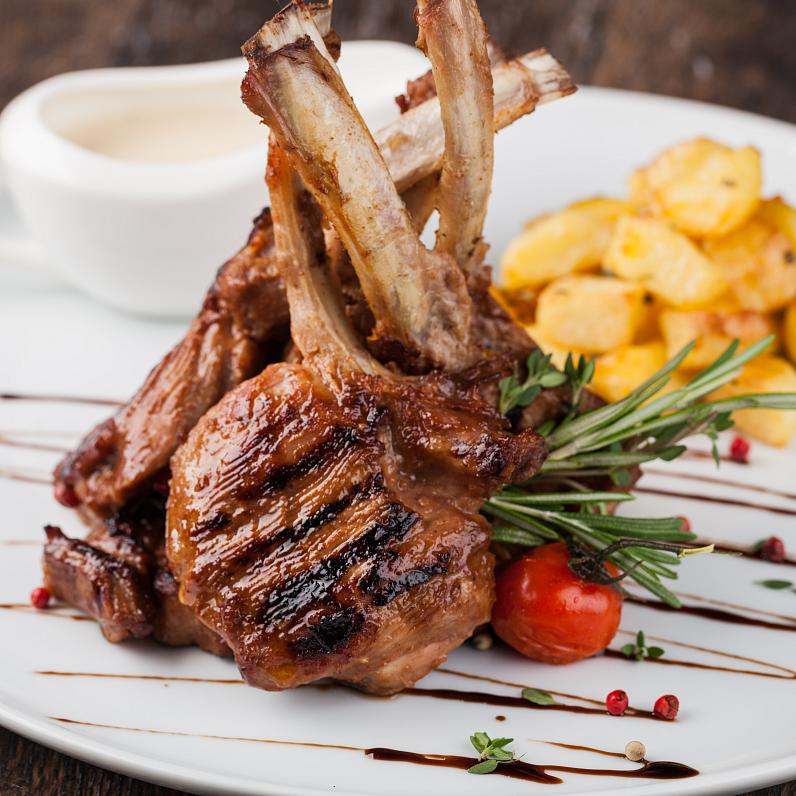
Whole lamb staked on an iron cross beside an open fire and turned for hours. It is the regional dish of Chubut, and lunch at El Pedral is built around it.

Bitter green tea drunk through a metal straw from a shared gourd, passed around a group in strict order. You will see it constantly. Accept if offered — it's a gesture of welcome.
Three of the four outdoor days on this trip are weather-dependent, and the operator will say so on the morning rather than push a bad call. Patagonia in particular writes its own schedule. Pack a book, keep the plans loose, and treat a cancelled excursion as an afternoon in a very good town rather than a disaster.