
Chapter two · Three nights
The Patagonian coast
Chubut province: a shelf of dry steppe that runs flat to the edge of the continent and then drops eighty metres into the South Atlantic. Almost nothing grows above knee height. The wind is a permanent resident. And the wildlife, for reasons of cold currents and deep water close to shore, is among the densest on the planet.
Punta Ninfas, Chubut · Shenbe, CC BY-SA 4.0
The base
Puerto Madryn, founded by 153 Welsh settlers
In July 1865 the tea clipper Mimosa landed a group of Welsh emigrants on this beach. They had come 12,000 kilometres to find somewhere they could speak Welsh without interference, and they nearly starved in the first winter.
The language survived. Street names, chapels and a genuine tradition of Welsh tea houses in the nearby Chubut valley all date from that landing, and Puerto Madryn's main avenue is still Avenida Gales — Wales Avenue.
Today it is a town of about 130,000 on a wide, sheltered gulf, with a long seafront promenade, a working port, and an economy split between aluminium and wildlife. The sea here is calm enough that the beach runs right up to the town centre.

Day six · 22 October · The big one
Punta Ninfas and Estancia El Pedral
Nine hours, two hundred kilometres, and a private naturalist guide. This is the day the trip was built around.


Getting there
Punta Ninfas sits about 70 kilometres south-east of Puerto Madryn, at the southern jaw of the gulf, opposite the Valdés Peninsula. The road out crosses open steppe — scrub, wind, guanacos, rheas and hares — before the land simply stops at a line of cliffs.
The excursion then enters Estancia El Pedral, a private sheep station turned conservation reserve, and follows its internal tracks to places the public roads do not reach: Punta León and the Puesto de Ponce.
What's out there
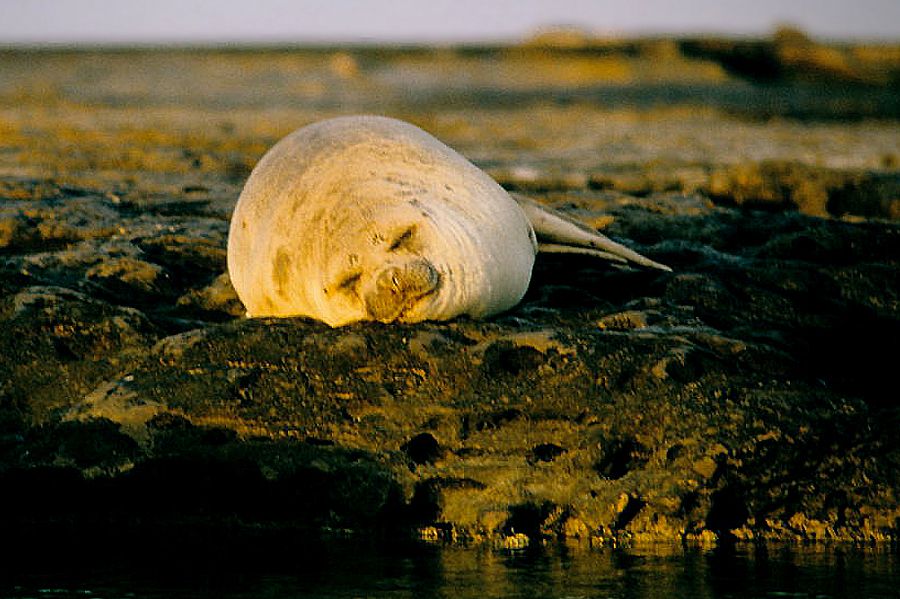
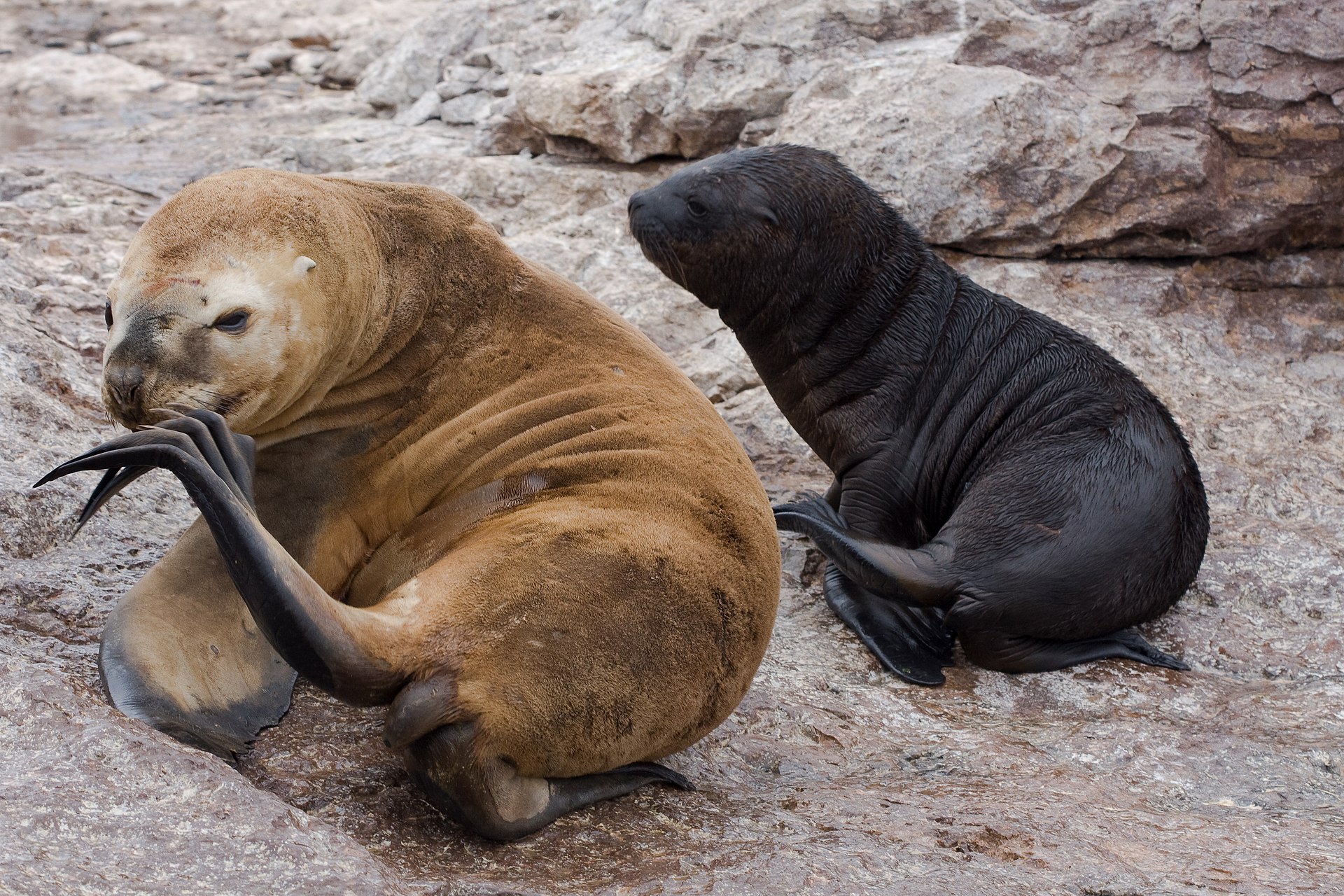
Magellanic penguins, back on shore since September and nesting in burrows in the open scrub. Rock and imperial cormorants on the ledges. South American sea lions on the rocks. And elephant seals — the enormous, unbothered, four-tonne kind — on the beach below.
It is a working landscape rather than a stage set, which is why the guiding matters. Naturalist guides accompany the group throughout.


Lunch at the quincho
Midday stops at the estancia's quincho — the covered grill house — for a traditional lamb-based menu. Patagonian lamb is cooked al asador: splayed on an iron cross, staked at an angle beside an open wood fire, and turned slowly for hours. Lunch is included; drinks are not.
- Duration
- ≈ 9 hrsFull day, hotel to hotel
- Distance
- ≈ 200 kmRound trip by road
- Difficulty
- ModerateWalking on uneven ground
- Included
- LunchDrinks and entrance fees are not
- Guide
- PrivateEnglish-speaking naturalist
- Boats
- NoneEntirely land-based
Weather-dependent. Patagonian wind can close the estancia road at short notice, and the operator will say so on the morning rather than push it.
South American sea lions, Patagonia · Killy Ridols, CC BY-SA 2.0
Day seven · 23 October
Punta Loma, and then the town is yours
A shorter morning: roughly two hours and forty kilometres, private vehicle, driver only — no guide on this one.
The road runs south along the coast out of Puerto Madryn. First stop is the Tehuelche monument in the Punta Cuevas historical park, marking the people who lived on this coast long before the Mimosa arrived, and the caves the Welsh sheltered in when they did.
Then the Punta Este lighthouse viewpoint, which gives you the whole sweep of the Golfo Nuevo in one look — on a clear day you can see across to the Valdés Peninsula.
Finally the Punta Loma fauna reserve, a protected stretch of cliff and beach fifteen kilometres from town, where a permanent colony of South American sea lions and a crowd of rock cormorants occupy the shore below a clifftop viewing platform. You hear them before you reach the edge.

The rest of the day
Back in Puerto Madryn by lunchtime, with the afternoon and evening free — the seafront promenade, the Ecocentro, the shops along Avenida Roca, and a town full of restaurants that take Patagonian lamb and Atlantic seafood seriously.
Entrance to the Punta Loma reserve is not included in the trip price and is paid on the day.
A note on whales
Why there is no whale watching on this trip
Southern right whales calve in these gulfs from roughly June to December, and Puerto Madryn is one of the great places on earth to see them. So the omission is deliberate, and worth explaining.
Land-based whale watching from El Doradillo beach — where the water is deep close in and the whales come extraordinarily close to shore — reliably works until about the middle of October. After that the animals move off the beaches, and seeing them means going out in a boat from Puerto Pirámides.
This trip arrives on 21 October, a week past that window, and does not do boats. Rather than restructure eleven days around one uncertain sighting, the wildlife time goes to Punta Ninfas and Punta Loma, which deliver reliably and on foot.
If a whale surfaces in the gulf while you are standing on the promenade — and it happens — that is a bonus, not the plan.